
Is Welding More Satisfying Than ASMR? We Think So.
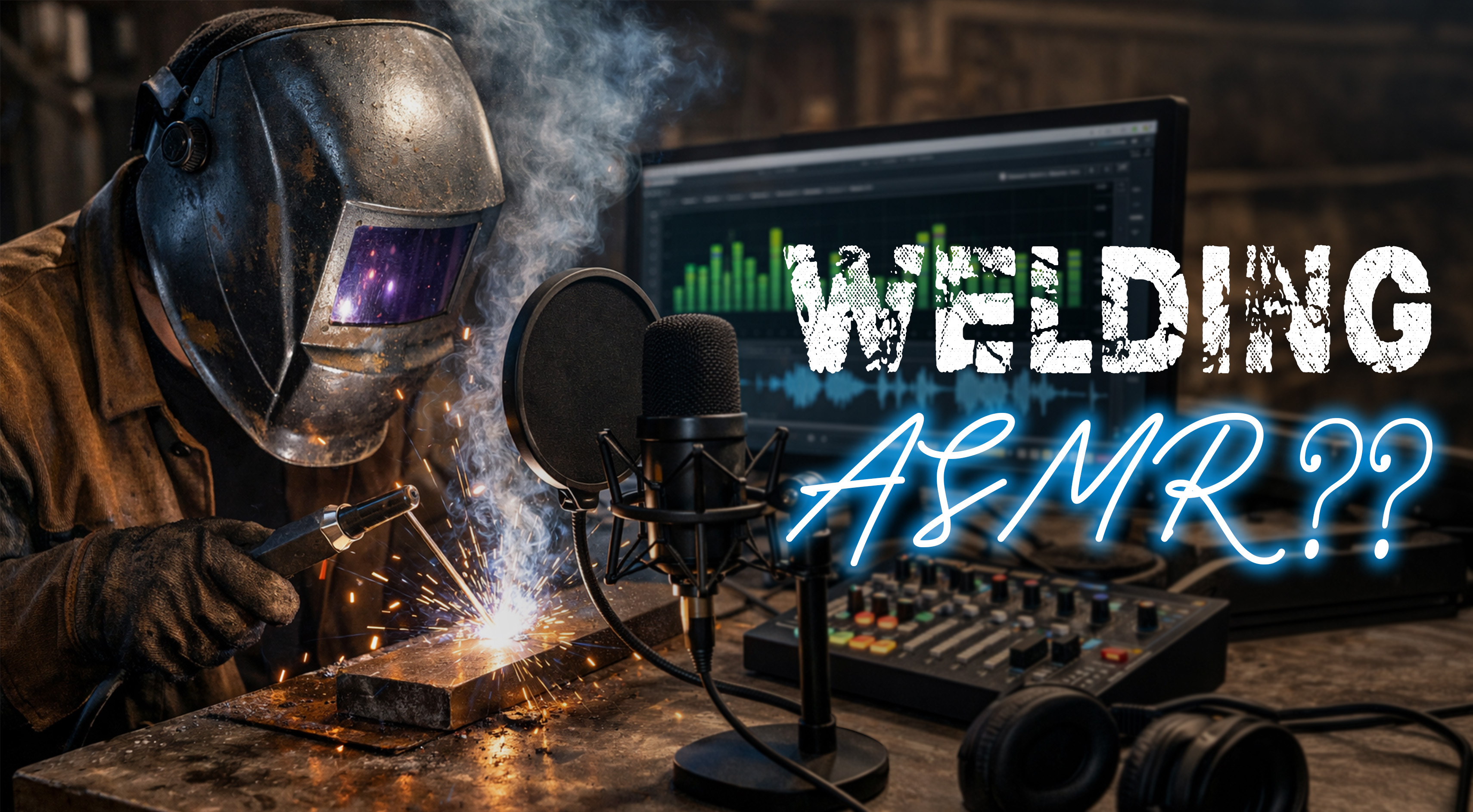
Before we get into welding, let’s clarify what ASMR stands for: Autonomous Sensory Meridian Response. It’s the calm, almost meditative feeling some people get from specific sights and sounds, often triggering a tingling sensation down the back of the neck. A lot of you have probably experienced this feeling yourself without even knowing there was a name for it. Scroll through social media long enough and you’re bound to find it: soft whispers, tapping fingernails, and gentle hums. Some ASMR is designed to help you focus, while others are designed to help you relax. No matter the purpose, the idea is simple: to provide predictable, soothing sensory input that helps the brain to slow down.
But if you’ve ever watched a clean weld bead stack up just right while listening to the steady crackle of a stable arc, you already know the truth.
The Arc Strikes and The Noise Fades
When a job begins, there’s a single moment that every welder knows by heart. The hood drops, the arc ignites, and the outside world disappears. It’s just you, the puddle, and the welding process. To outsiders, welding looks chaotic: welding sparks flying, the strobe of the arc, intense heat, and molten metal. But experienced welders know better. Good welding techniques bring order to intensity: torch angle, travel speed, amperage, wire feed, etc. And when each component is optimal, everything settles into a steady rhythm. That kind of concentration creates a calm mental wave...not by zoning out, but by zoning in. Less spatter. Cleaner beads. Better penetration. More confidence. That’s where satisfaction peaks. You’re not fighting the process. You’re guiding it. As your welding technique improves, it transcends from work to a craft.
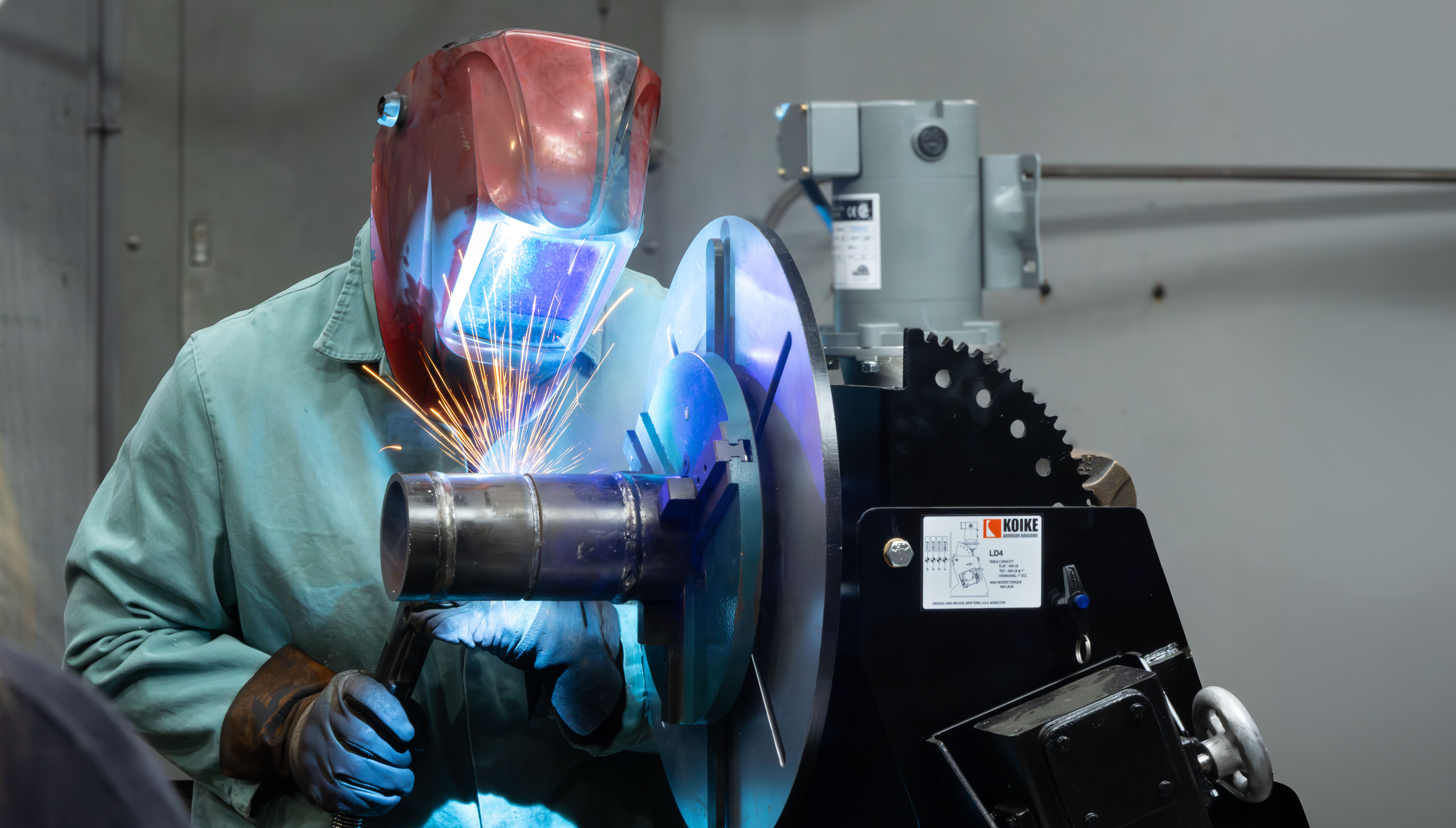
Welding: Therapy With Sparks
Long before ASMR had a name, welders found their calm in work done right. Welding isn’t just about joining metal; it’s about focus, craftsmanship, and creating something that outlasts the moment.
Here are some ways we think welding can't be beat:
- Visual Perfection: A smooth, uniform welding bead is deeply satisfying. Watching molten metal flow, wet out, and solidify into something strong and permanent.
- Audible Feedback: You can hear when things are right. A stable arc tells you everything. When it sounds right, it is right.
- Tactile Control: Welding is physical. You feel the torch angle, the resistance, the heat. It’s craftsmanship.
- Real Results: ASMR ends when the video stops. Welding leaves behind something useful. You didn’t just relax; you built something that lasts.
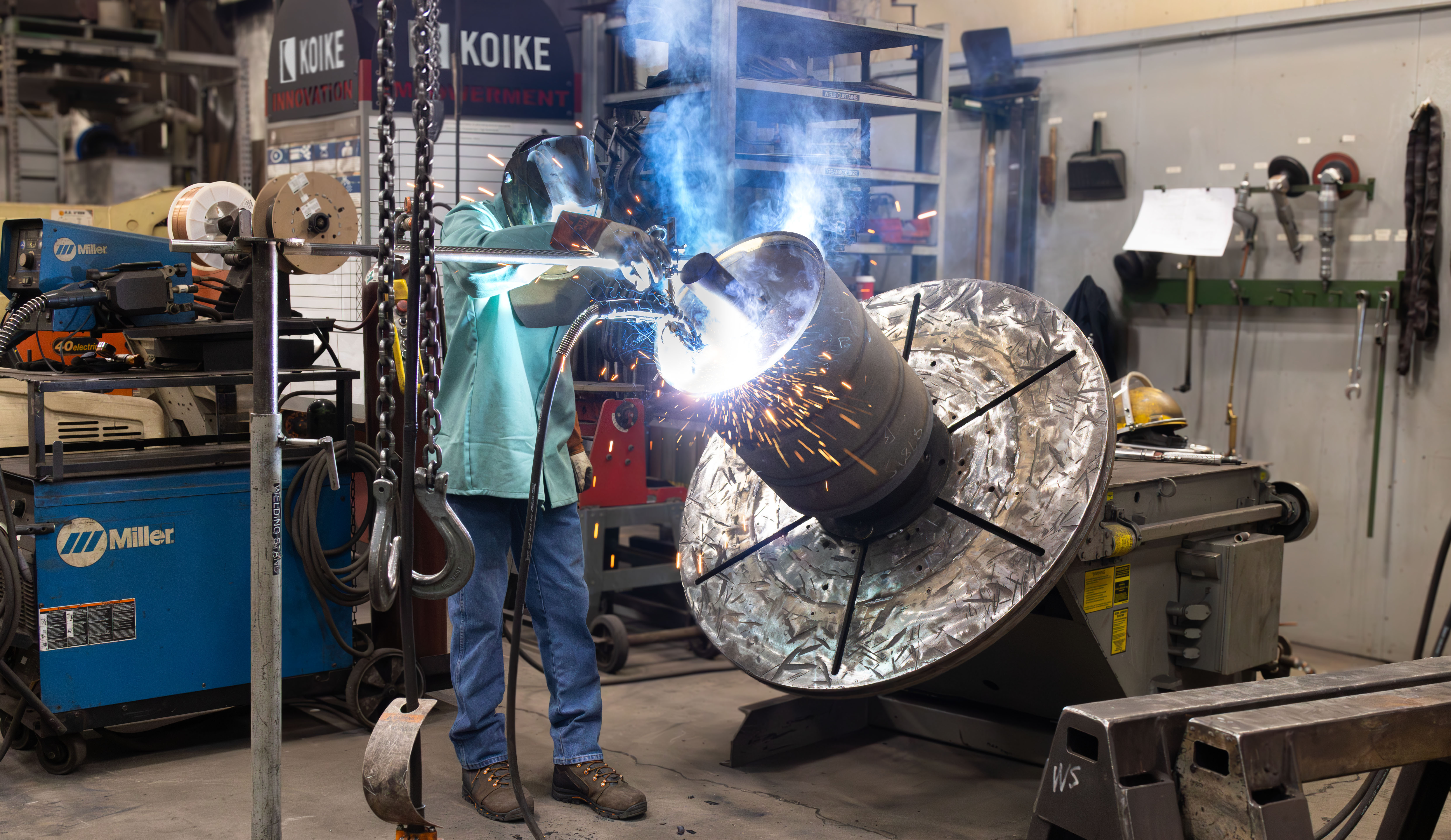
Why Welding Hits Different Than ASMR
ASMR triggers relaxation by reducing stimulation. Welding does the opposite. It demands precision, attention, and skill. Yet somehow, that’s exactly what makes it calming. That focused, calming sensation is the same thing ASMR fans chase, except welding earns it the hard way. Your hand is steady, your eyes are locked in, and your brain is fully engaged. It’s mindfulness with welding sparks.
So is Welding More Satisfying Than ASMR?
If satisfaction can be measured by what you see, what you hear, and what you leave behind, then welding doesn’t just compete; it dominates. From the first arc strike to the final bead, welding processes engage the senses while skilled welding techniques turn heat, sound, and sparks into something permanent; making welding a sensory experience few professions can match.