
Gravity Always Wins: Why Safe Weldment Positioning Is a Critical Skill for Every Welder
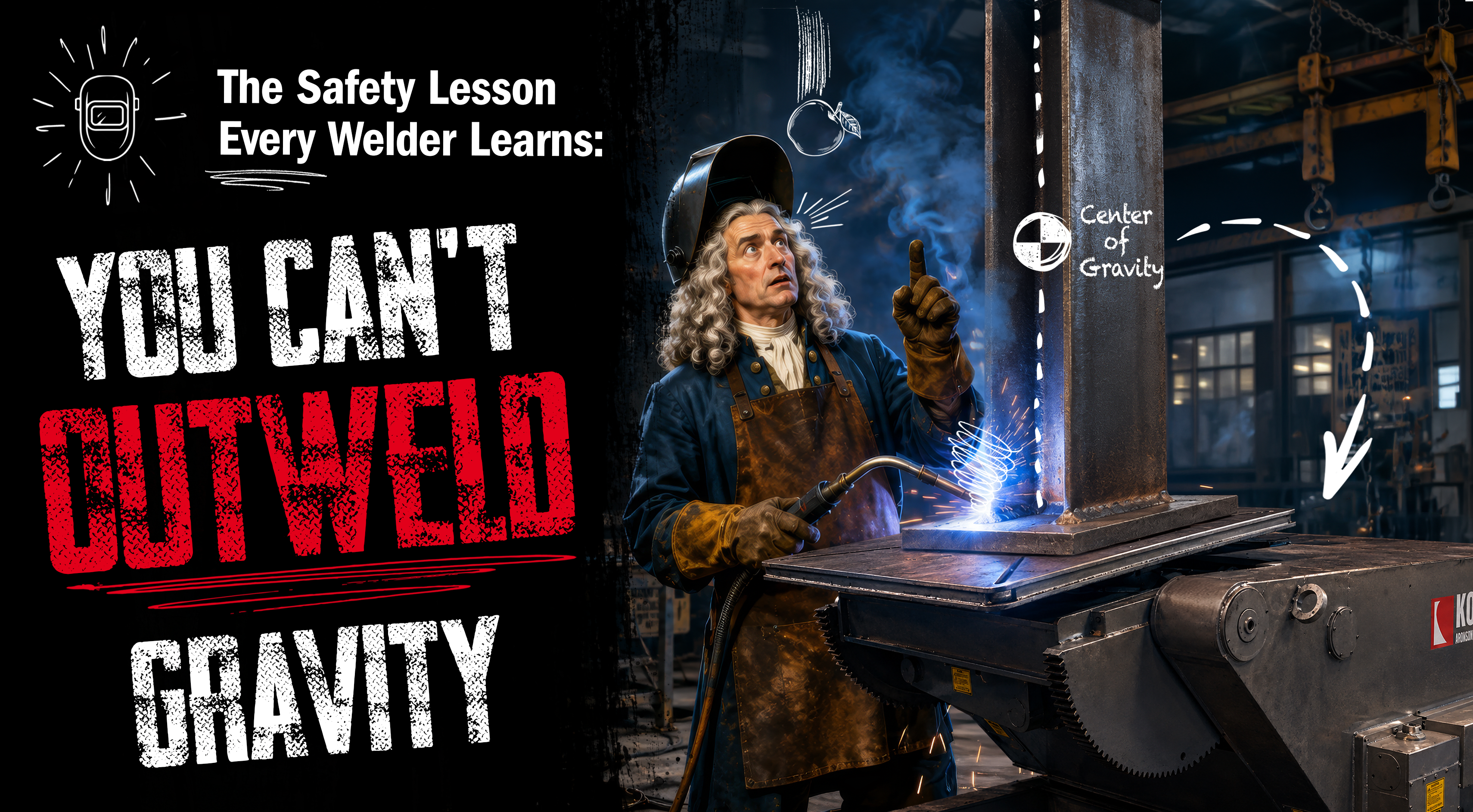
When most people think about welding skills, they picture arc control, proper fit-up, weld quality, or the ability to run a clean bead. While those skills are certainly important, there is another fundamental skill that often receives less attention; safely handling and positioning weldments.
For welding students and newer fabricators, the transition from simply welding coupons to real world fabrication projects introduces an entirely new challenge. Suddenly, the workpieces are larger, heavier, and more difficult to control. What may have started as a few pieces of steel on a welding table can quickly become an assembly weighing hundreds of pounds.
Understanding how to safely move, lift, and position these weldments is every bit as important as learning how to weld them. In many cases, the greatest hazard in a fabrication shop isn't the welding arc...it's gravity.
The Hidden Risk of Heavy Weldments
One of the most common mistakes made by inexperienced welders is underestimating the weight of a workpiece.
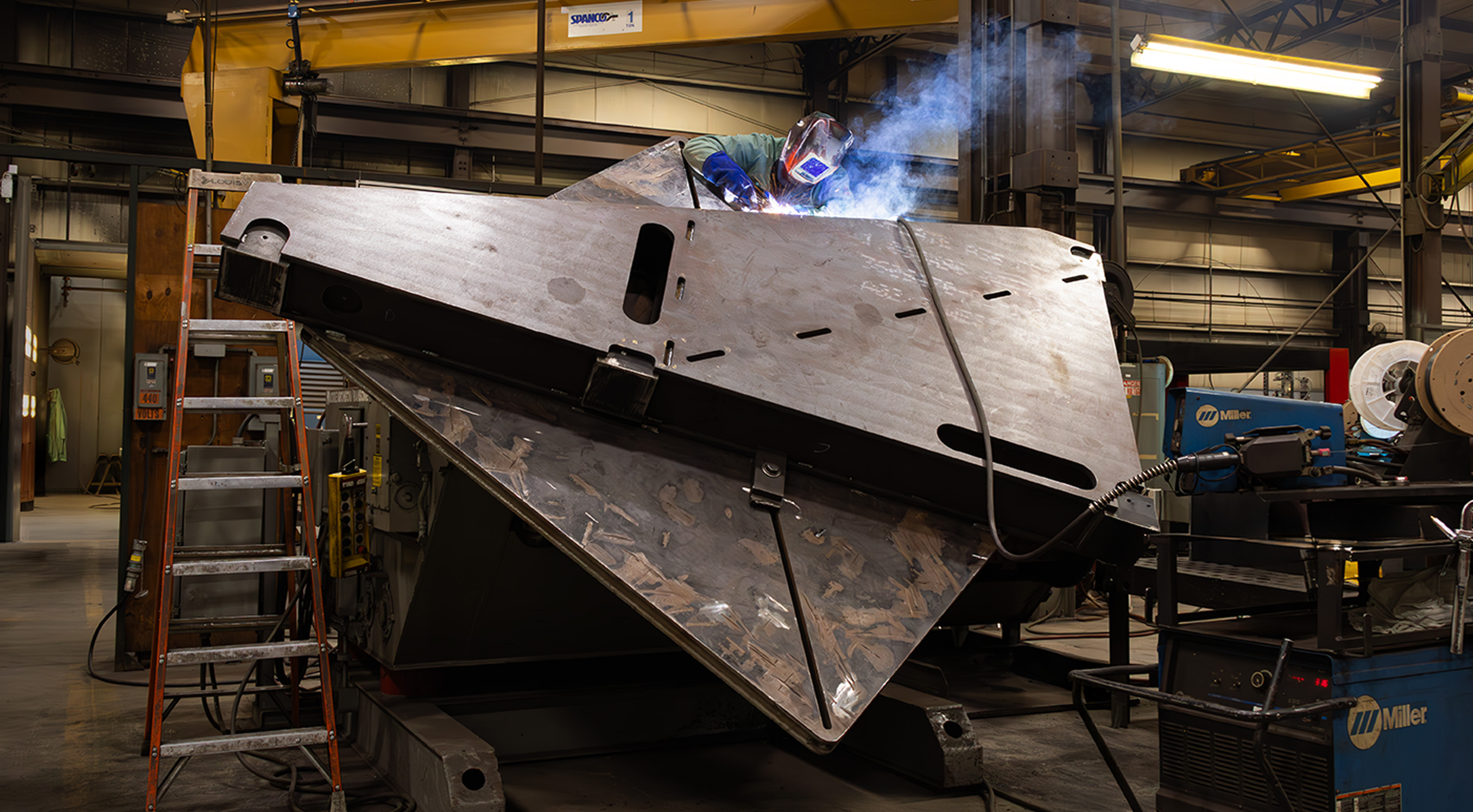
A plate that looks manageable may weigh far more than expected. As multiple components are assembled, the weight increases rapidly. A small fabrication project can quickly become too heavy for one person to lift the weldment.
Consider a simple example: A steel box fabricated from six pieces of 1/2-in.-thick steel plate measuring 10 in. by 10 in. may not appear particularly dangerous. Yet each plate weighs over 14 lb, resulting in a completed assembly weighing approximately 85 lb. What started as a collection of manageable pieces has become a weldment capable of causing serious injury if dropped or handled improperly.
This reality highlights why proper safety footwear, lifting techniques, and material-handling practices are critical in every fabrication environment.
Why New Welders Often Get into Trouble
New welders often try to “just move it real quick,” not realizing that most shop accidents stem from that exact mindset. Experienced welders know that accidents rarely happen during carefully planned lifts. Without training, new welders often rely on instinct or brute force rather than evaluating the situation.
Before moving any weldment, welders should consider:
- Total weight
- Overall dimensions
- Shape and balance
- Potential pinch points
- Available lifting equipment
- Center of gravity
Failing to account for these factors can result in a load that shifts unexpectedly, rotates during lifting, or falls completely. The lesson is simple: every move should be planned before the weldment leaves the ground.
Understanding the Center of Gravity 
One of the most important concepts in material handling is the center of gravity (CG). The center of gravity is the point where an object's entire weight is considered to act. If a weldment is lifted from a point that doesn't properly support its center of gravity, it may tilt, rotate, or swing unexpectedly.
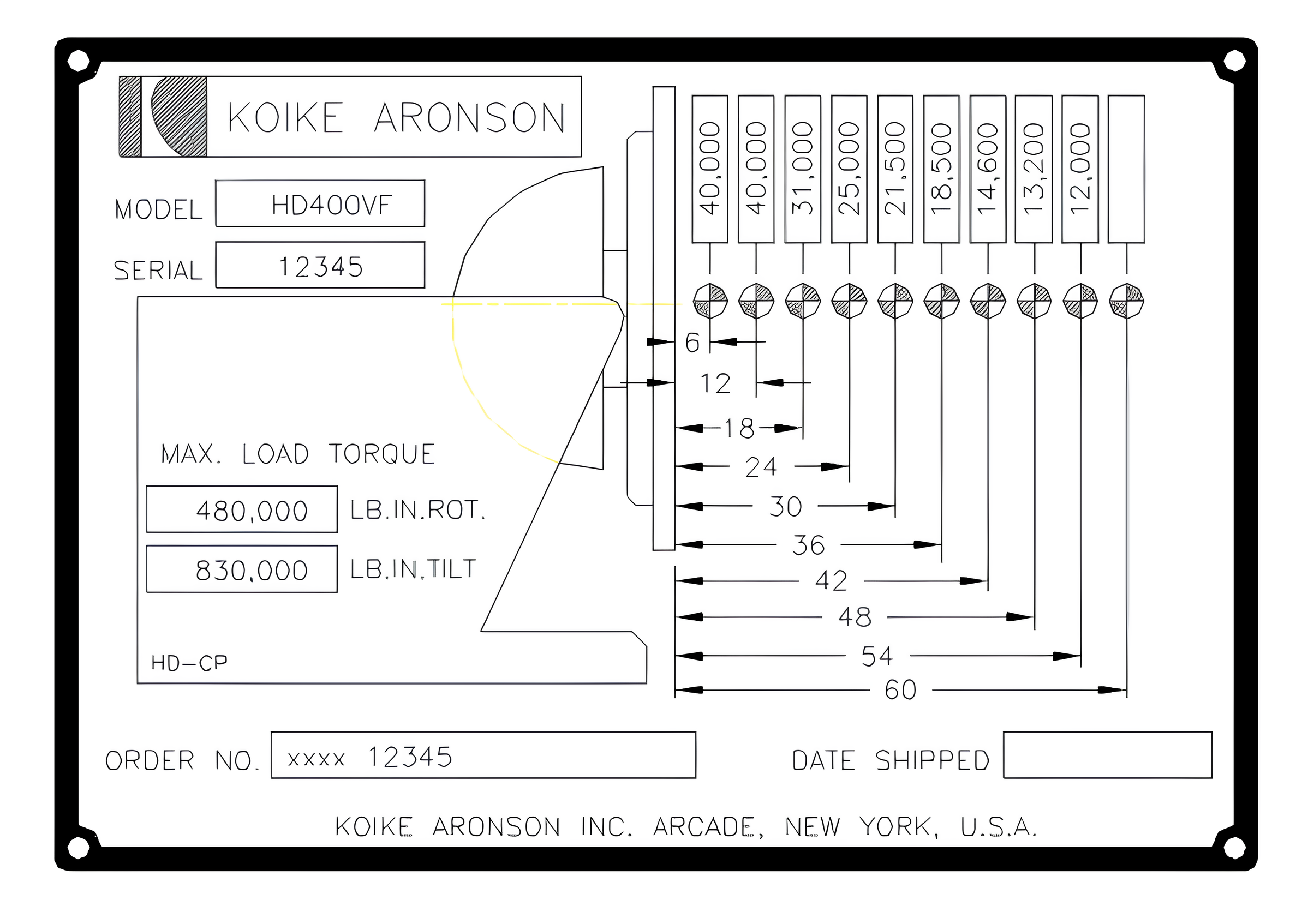
This is particularly important when handling irregularly shaped parts. Even a weldment that appears balanced may have most of its weight concentrated in one area. The moment a load leaves the floor, gravity takes over.
Fabricators who understand center of gravity can select better lifting points, choose appropriate rigging methods, and avoid dangerous surprises during lifting operations.
Mechanical Assistance Is Not Optional
Many welding shops invest heavily in equipment designed to reduce manual lifting, improve safety, and increase productivity.
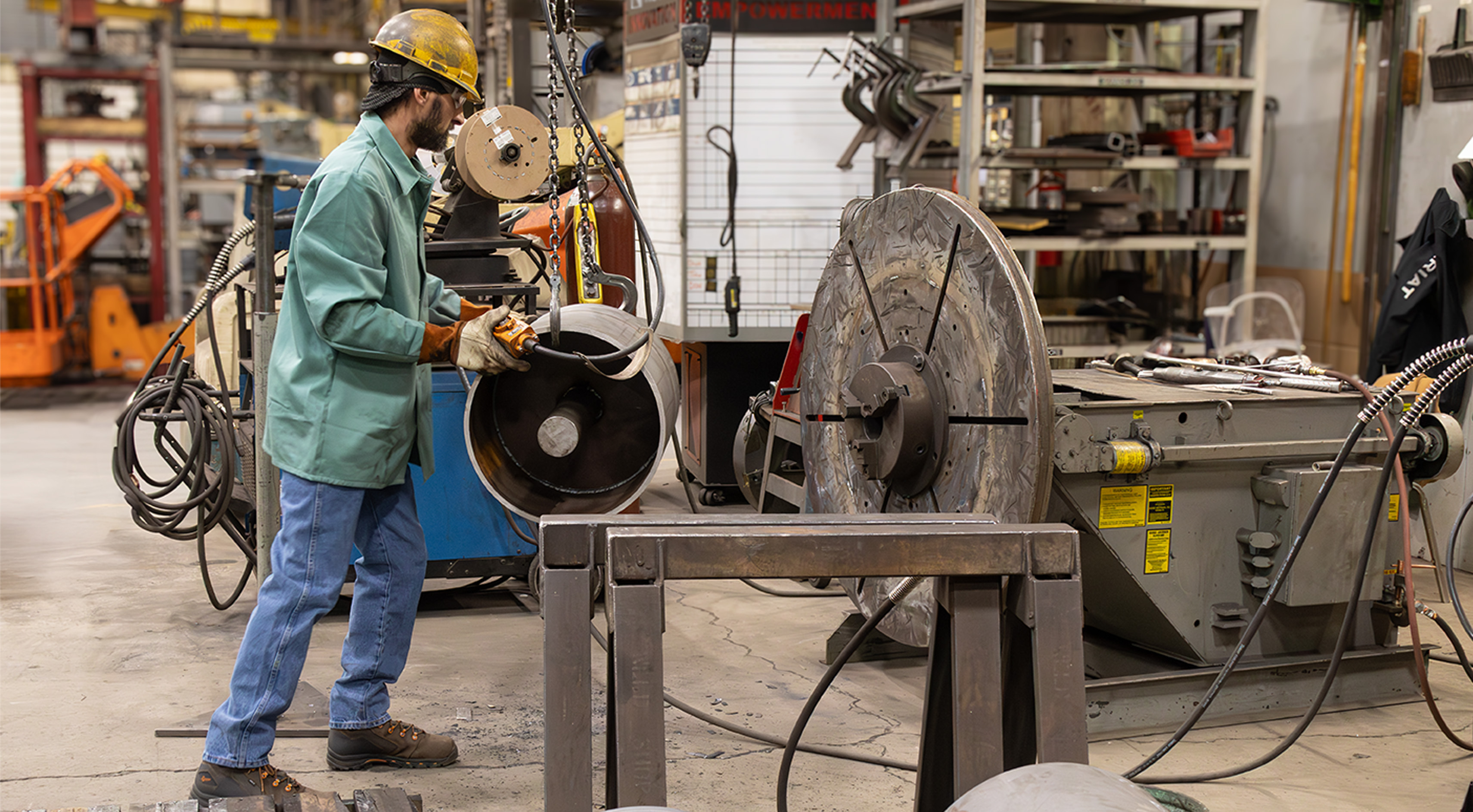
Some of the most common material-handling tools include:
Overhead Cranes and Hoists
Cranes and hoists provide controlled lifting for heavy weldments weighing hundreds or even thousands of pounds. When paired with proper rigging equipment, they allow operators to safely maneuver large fabrications with precision.
Forklifts and Material Carts
Forklifts and carts help transport material while keeping loads at a manageable working height. They reduce repetitive lifting and minimize worker fatigue.
Slings and Rigging Hardware
Selecting the proper sling, hook, or lifting attachment requires understanding load ratings, sling angles, and center-of-gravity considerations.
These are essential skills for welders working around large fabrications. Even with mechanical lifting equipment, proper planning and communication remain critical. Equipment reduces risk, but it does not eliminate it.
A Better Way to Teach Weldment Positioning
One of the challenges instructors face is teaching students about balance, center of gravity, and load control without exposing them to unnecessary hazards. This is where benchtop welding positioners become valuable teaching tools.
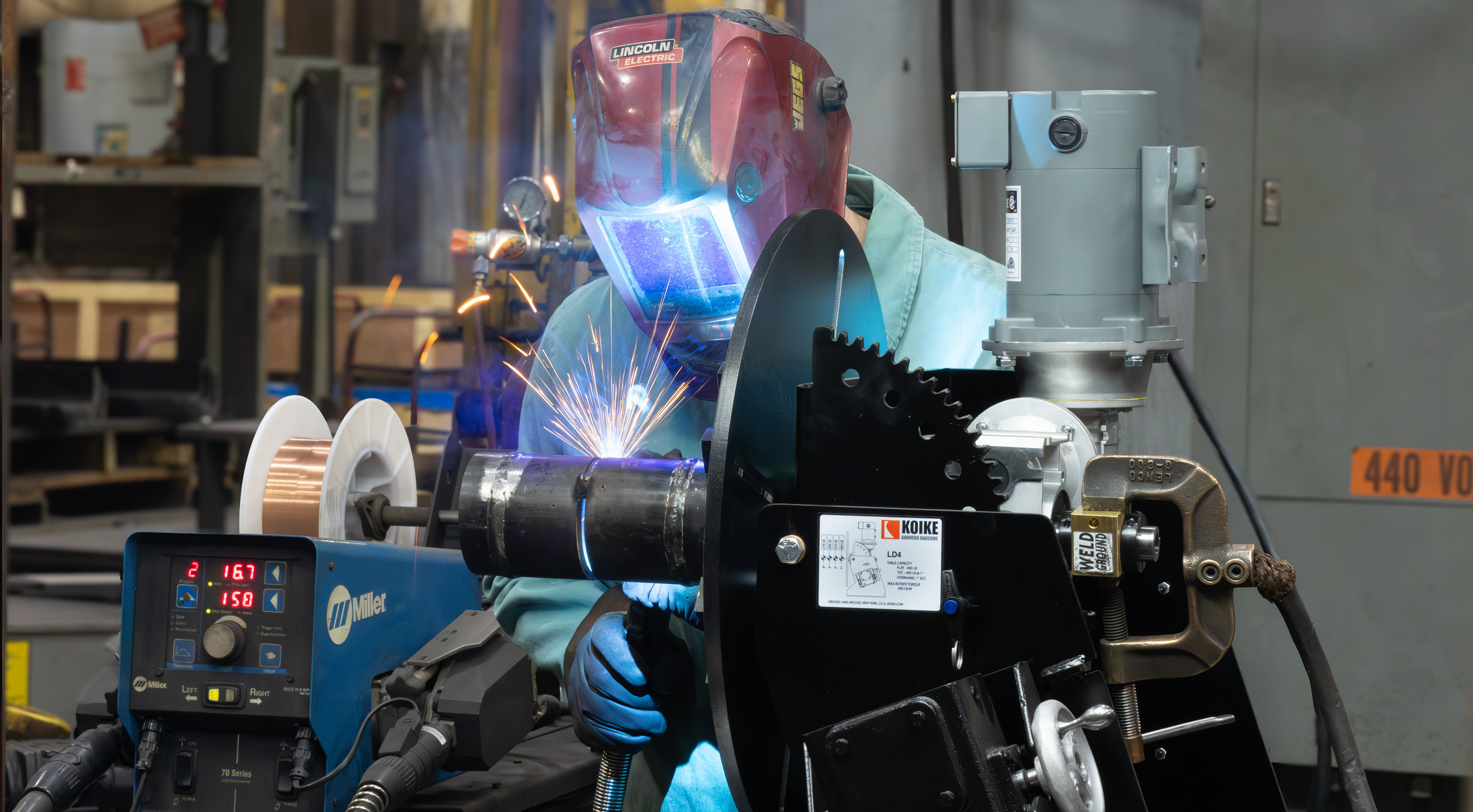
A benchtop welding positioner allows students to safely observe how loads react when rotated. Even small assemblies can demonstrate important principles:
- Off-center loads create sudden rotation
- Heavy sections naturally seek the lowest point
- Clamping methods affect stability
- Load orientation changes balance characteristics
- Proper centering creates smooth, controlled rotation
These demonstrations provide immediate visual feedback. Students quickly learn that gravity is always working, even when the load is relatively small. The lessons learned on a benchtop positioner directly translate to larger fabrication projects later in their careers.
Why Welding Positioners Improve Both Safety and Productivity
Beyond training, welding positioners offer significant benefits in production environments.
Instead of repeatedly lifting, flipping, and repositioning a weldment, the operator can rotate the workpiece into the ideal welding position.
The advantages are substantial:
Improved Safety
Reducing manual handling lowers the risk of strains, sprains, back injuries, and pinch-point accidents.
Better Weld Quality
More welds can be completed in the flat (1G) position, often resulting in higher-quality welds and improved consistency.
Increased Productivity
Less time spent repositioning parts means more time spent welding. Shops benefit from reduced setup time and improved throughput.
Reduced Operator Fatigue
Working in comfortable positions reduces physical strain and helps maintain weld quality throughout the workday.
Faster Skill Development
New welders can focus on learning welding techniques rather than struggling with awkward workpiece orientations.
Safety Starts Before the Arc Is Struck
The best welders understand that safety begins long before the first arc is initiated.
Every welding fabrication project requires evaluating how the workpiece will be lifted, positioned, and supported throughout the manufacturing process. Understanding weight, center of gravity, rigging, and material handling are foundational skills that help prevent injuries and improve shop efficiency.
Whether a weldment weighs 50 lb or 5,000 lb, the same principle applies:
Gravity always wins.
As shops continue investing in training, lifting equipment, and welding positioners, they are doing more than improving productivity. They are building a culture where safety, quality, and efficiency work together to produce better results for everyone involved.