
The Hidden Cost of Poor Part Fit-Up Starts Before Welding

A CNC plasma or laser cutting machine can produce parts quickly, but having CNC equipment does not guarantee that every part will be right. Cut quality depends on the machine, cutting process, consumables, maintenance, material, operator setup, and programming.
When any of these areas fall short, welders and fitters are often left to make the parts work. What appears to be a small cutting error can increase fitting time, filler-metal consumption, and total production cost.
What Can a 1/16 Inch Gap Cost?
Consider a 100-foot joint requiring a 1/4-inch fillet weld. If inaccurate cutting creates a continuous 1/16-inch gap, the welder may need to fill that opening before making the specified fillet weld.
For this comparison, assume:
- The material is A36 steel.
- The gap is 1/16 inch wide and 1/4 inch deep.
- GMAW wire has a 95% deposition efficiency.
- Wire is consumed at approximately eight pounds per hour.
- The time shown is arc-on time and does not include setup, cleaning, repositioning, grinding, or inspection.
|
Cost factor |
Correct fit-up with no gap |
Fit-up with a 1/16-inch gap |
|
Total welding wire required |
11.2 lb |
16.8 lb |
|
Estimated arc-on time |
1 hr. 24 min. |
2 hr. 6 min. |
|
Increase caused by the gap |
N/A |
5.6 lb and 42 min. |
|
Percentage increase |
N/A |
Approximately 50% |
A continuous 1/16-inch gap increases welding-wire usage from approximately 11.2 pounds to 16.8 pounds. It also increases estimated arc-on time from 1 hour and 24 minutes to approximately 2 hours and 6 minutes.
The added 42 minutes represents welding time only. Once starts, stops, cleaning, repositioning, inspection, and possible grinding are considered, the gap could add one to two hours of assembly labor.
That may not sound significant on one seam, but the cost multiplies quickly across several joints, multiple assemblies, and repeated production runs. The welder is using more wire and spending more time correcting a problem that began at the cutting machine. This is where poor fit-up quietly drives up rework costs before the specified weld is even started.
Bevel Cutting Accuracy
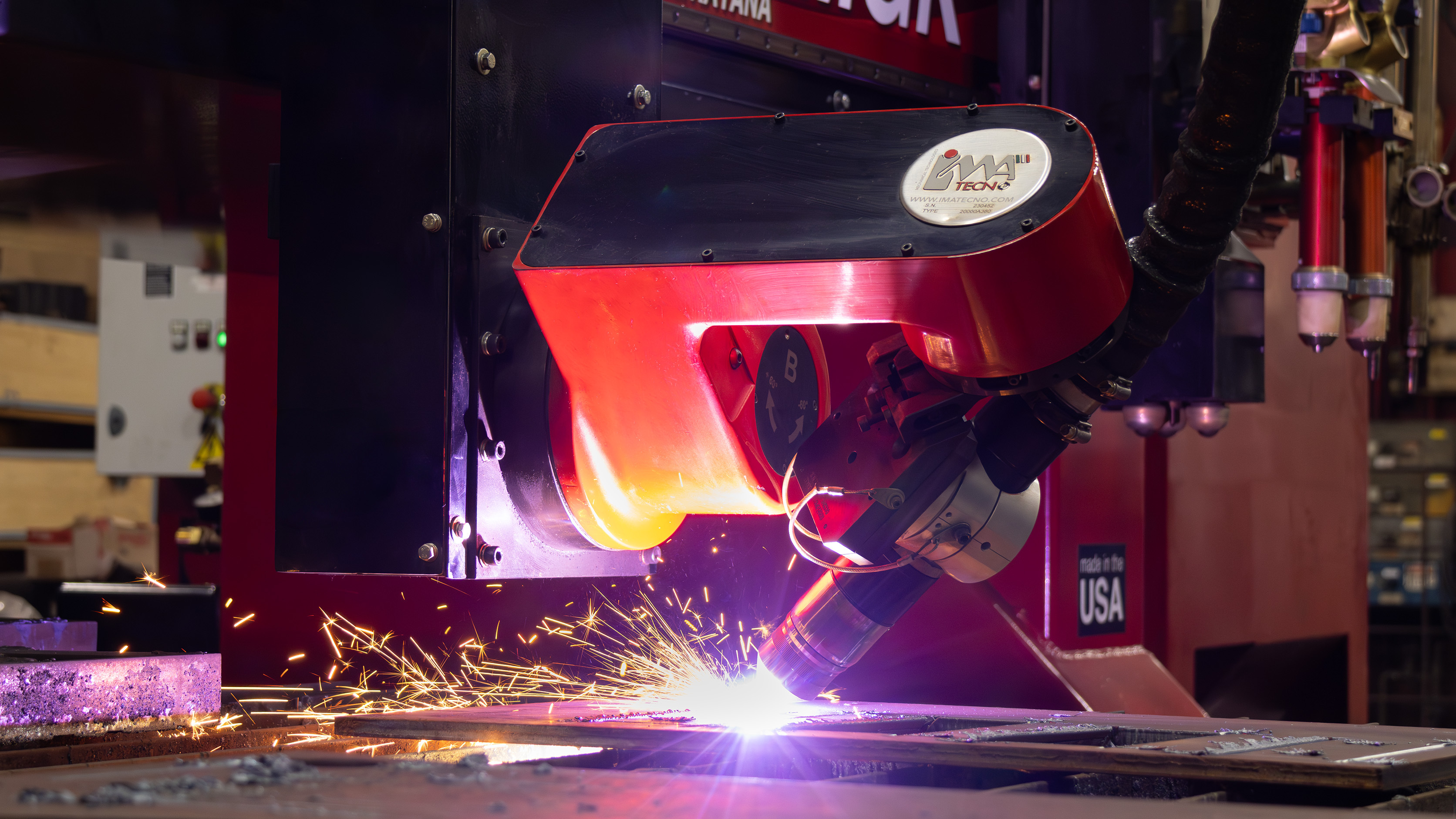
Poor Bevel cutting accuracy can change the groove angle, root face, or joint opening. One edge may fit while another requires grinding or additional weld metal. An incorrect bevel can also prevent the welder from following the approved joint design or welding procedure.
Before welding begins, the fitter may need to measure, grind, recut, or manually adjust the joint. If the problem is not caught early, it can lead to inconsistent penetration, excess weld volume, distortion, and inspection failures.
Hole Circularity
Poor hole circularity produces holes that are oval, irregular, or out of round. Bolts may not pass through, mating components may not align, and locating pins may no longer position the assembly correctly.
The fitter may have to grind, drill, or ream the holes. Enlarging them by hand might get the assembly together, but it can also reduce alignment accuracy and create clearance beyond the drawing requirements.
Kerf Consistency
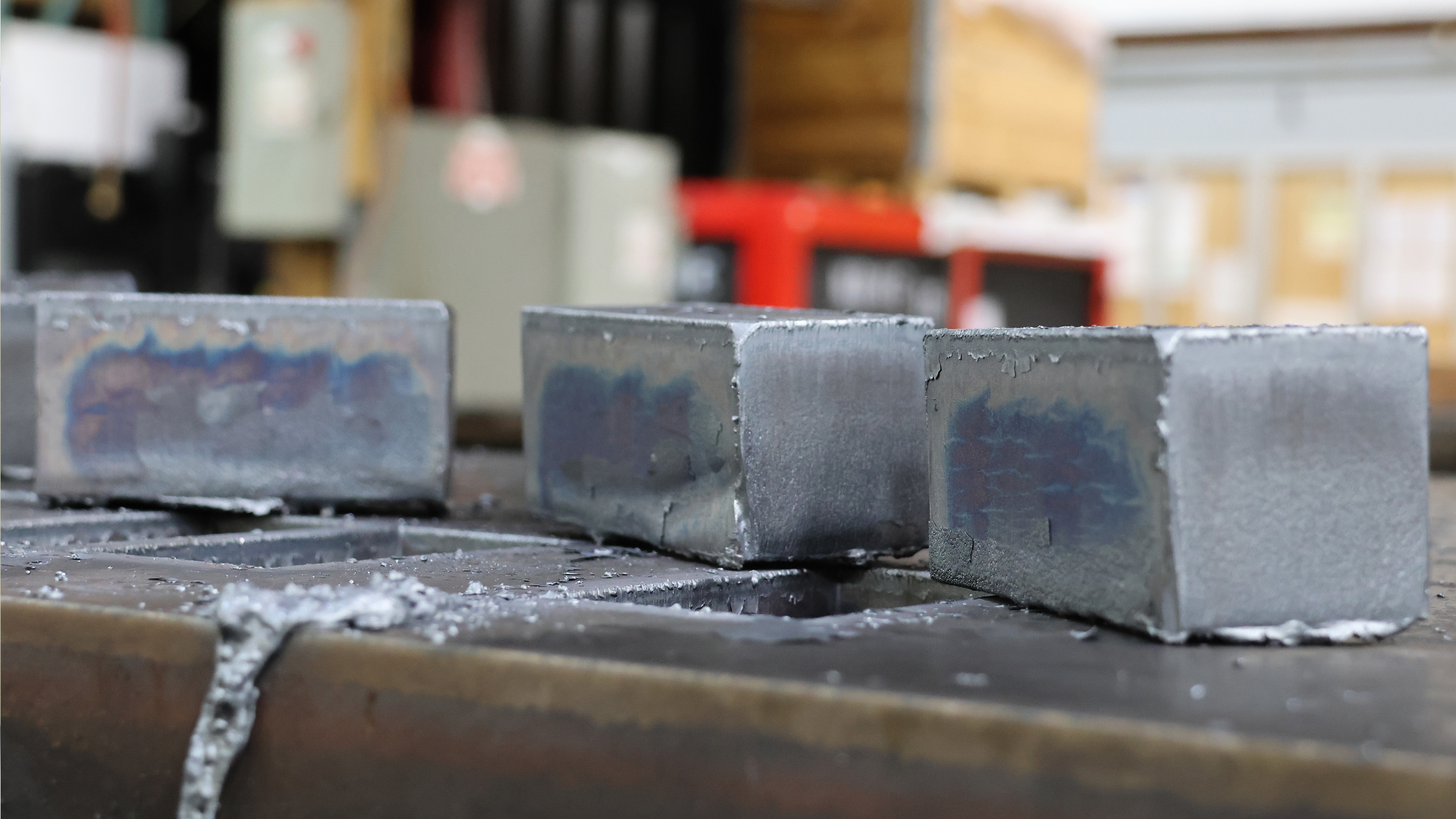
Inconsistent kerf consistency can cause part dimensions to change along the cut path. One end of a plate may measure correctly while the other is too large or too small.
These variations make repeatable fit-up difficult. Welders may see changing root gaps, uneven joints, and parts that require extra clamping or force to bring into position. Forcing a part into place can also introduce stress and increase distortion during welding.
Hole Taper
Excessive hole taper means the opening is wider on one side of the plate than the other. A bolt might enter the top of the hole but bind before passing through the bottom.
The result can be added drilling, reaming, grinding, or rejected parts. On thicker plate, taper can also make it difficult to maintain accurate bolt alignment through multiple components.
CNC Programming Accuracy
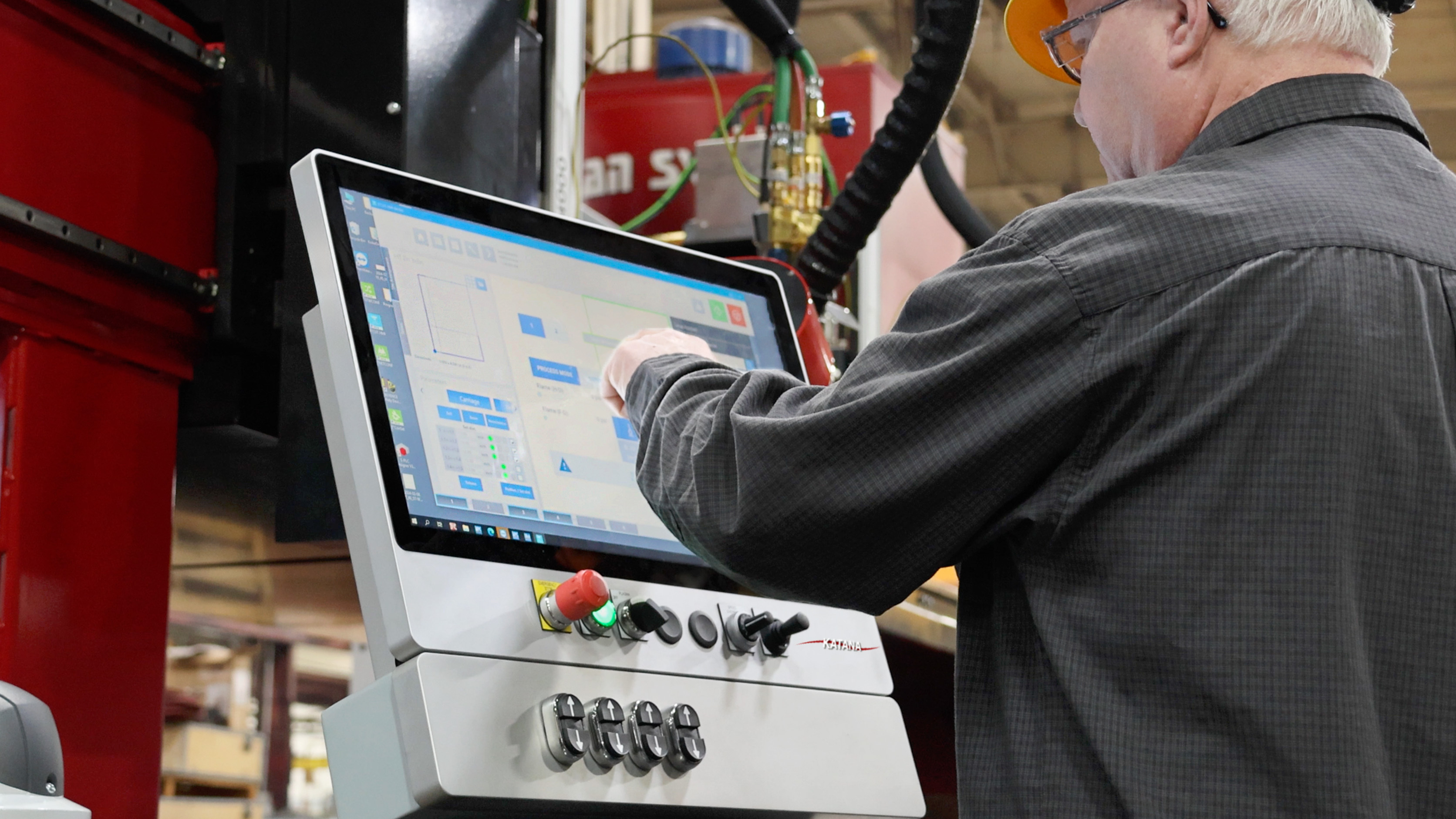
Even a well-built cutting machine cannot correct the wrong program. Poor CNC programming accuracy can result in incorrect dimensions, missing features, wrong offsets, reversed parts, or holes placed in the wrong location.
A programming mistake repeated across a full nest can turn one bad part into dozens. By the time the problem reaches welding, the material and cutting time have already been spent. The welder is then forced to wait for replacement parts or attempt a repair that may not meet the drawing.
Edge Squareness
Poor edge squareness means the top and bottom dimensions of the cut are different. Parts may appear correct when measured from one surface but create a gap when placed against another component.
This can cause rocking, uneven contact, inconsistent fillet welds, and additional fitting work. The welder may compensate by adding filler metal, but more welding does not automatically correct a poorly prepared joint.
Don't Cut Quality on Cut Quality: Your Cutting Quality IS a Welding Cost
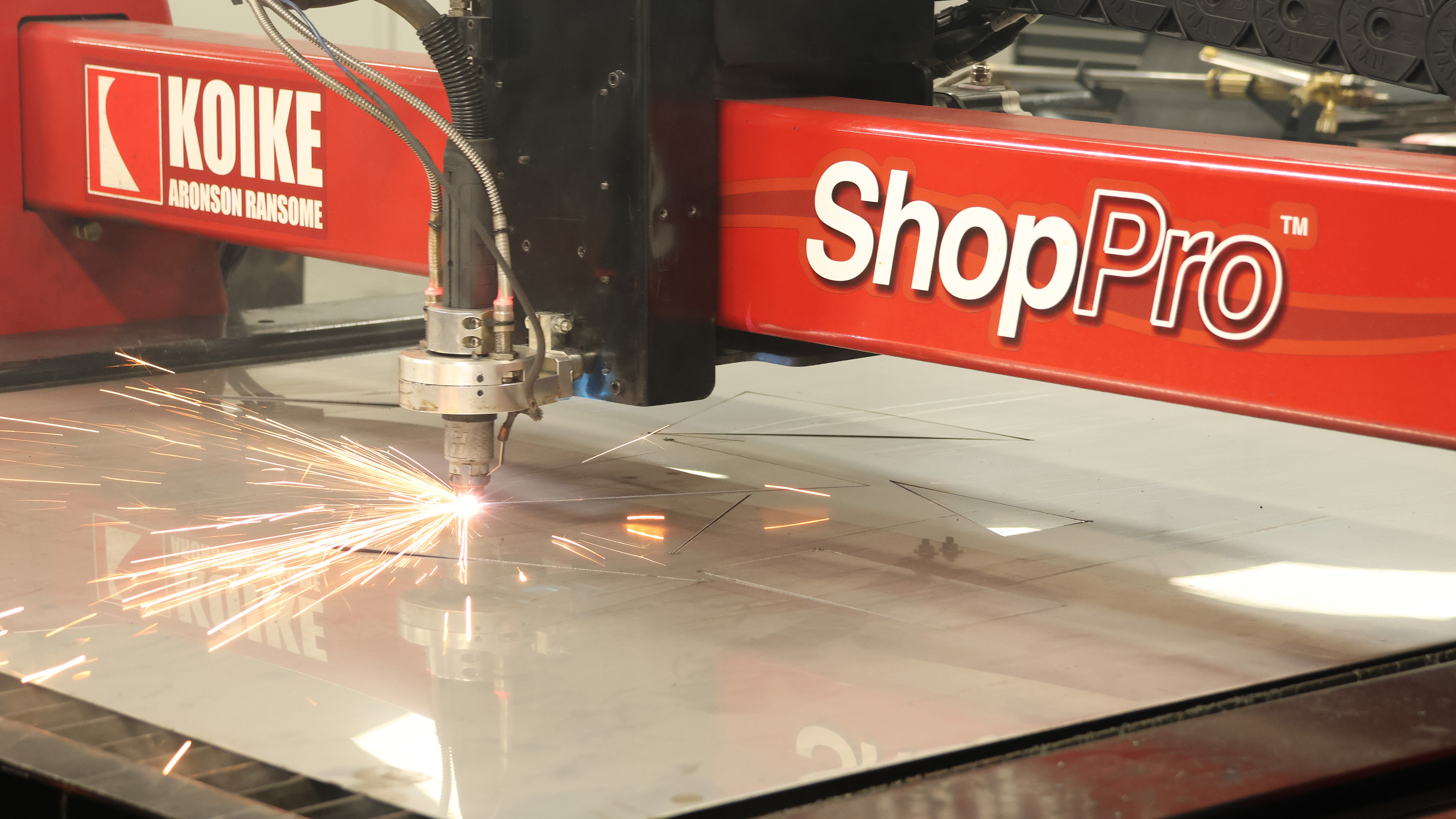
The cost of a cutting machine should not be measured only by how fast it moves or how many parts it cuts per hour. The better measurement is how many parts reach welding ready to assemble.
A better CNC cutting system helps control motion, torch height, process settings, and programming so parts are more consistent from the first cut to the last. That reduces fitting, grinding, extra welding, and avoidable delays.
Koike brings more than a century of cutting and fabrication experience to every system. Our team can evaluate your materials, part requirements, production goals, and cutting processes; and even cut your parts during a demonstration.
When accurate parts fit together as intended, welders can focus on making quality welds instead of correcting problems created upstream. That is the value of a cutting system that is SIMPLY BETTER BUILT.